Two brands, two domains, one backend
Operators in this space rarely run one brand for long. A second launches to reach a different buyer, or to keep a wholesale line separate from a retail one. The default answer — stand up a second site — doubles the hosting, doubles the admin logins, and guarantees the two catalogs drift apart within a quarter.
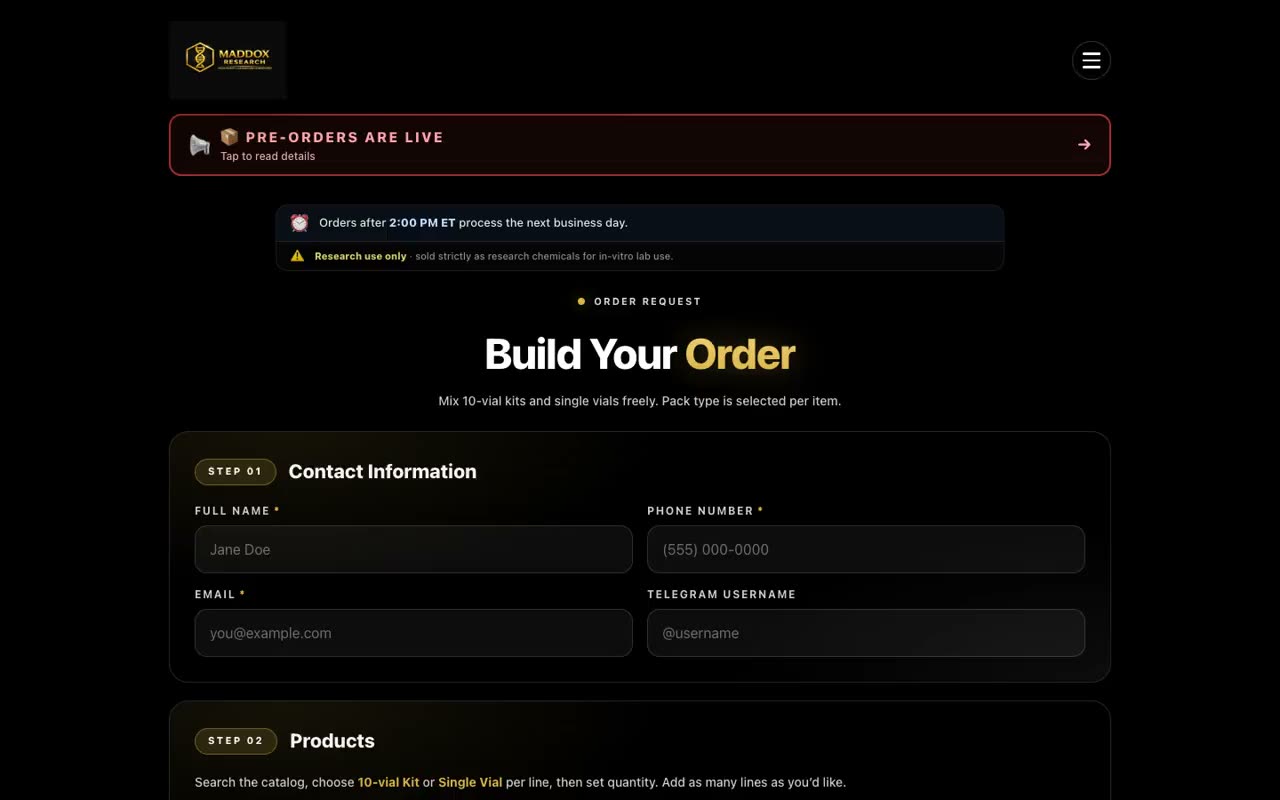
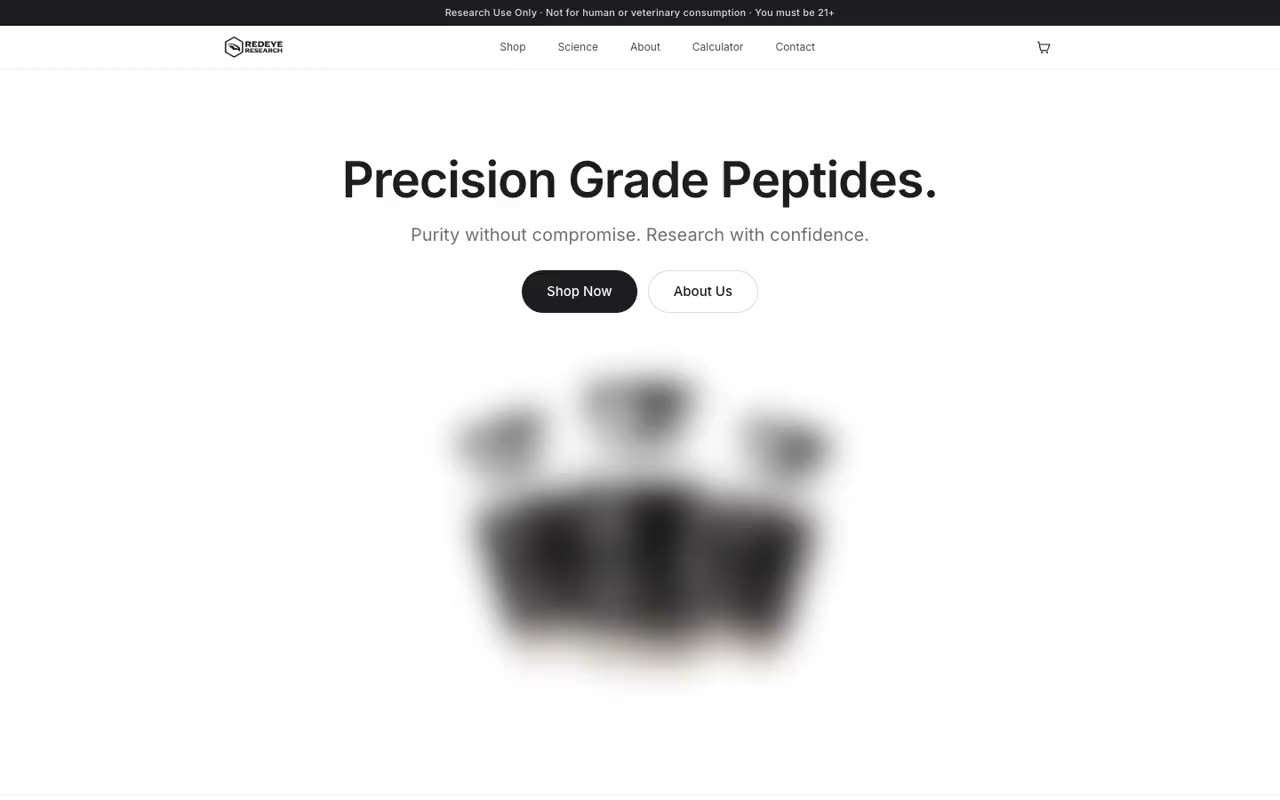
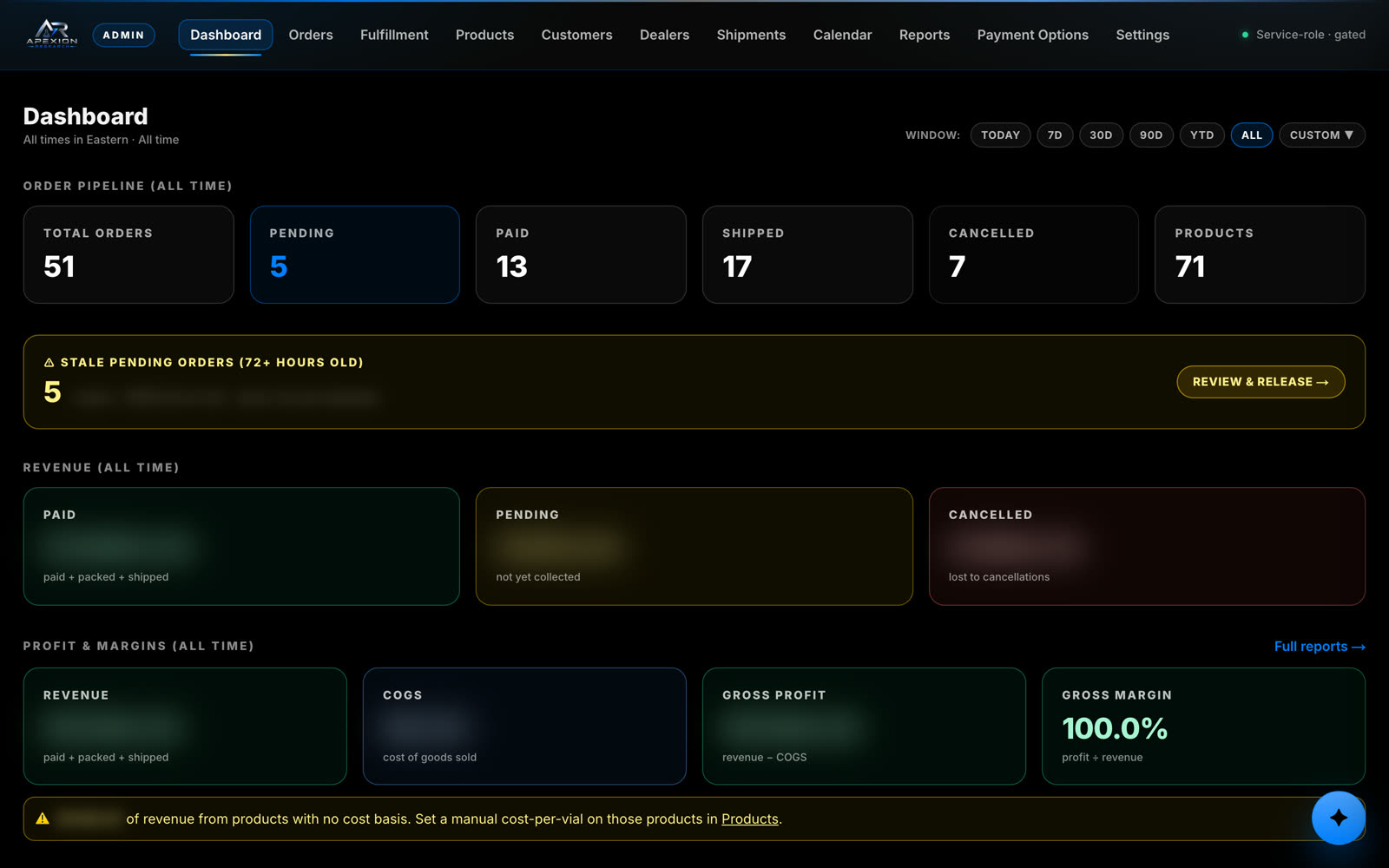
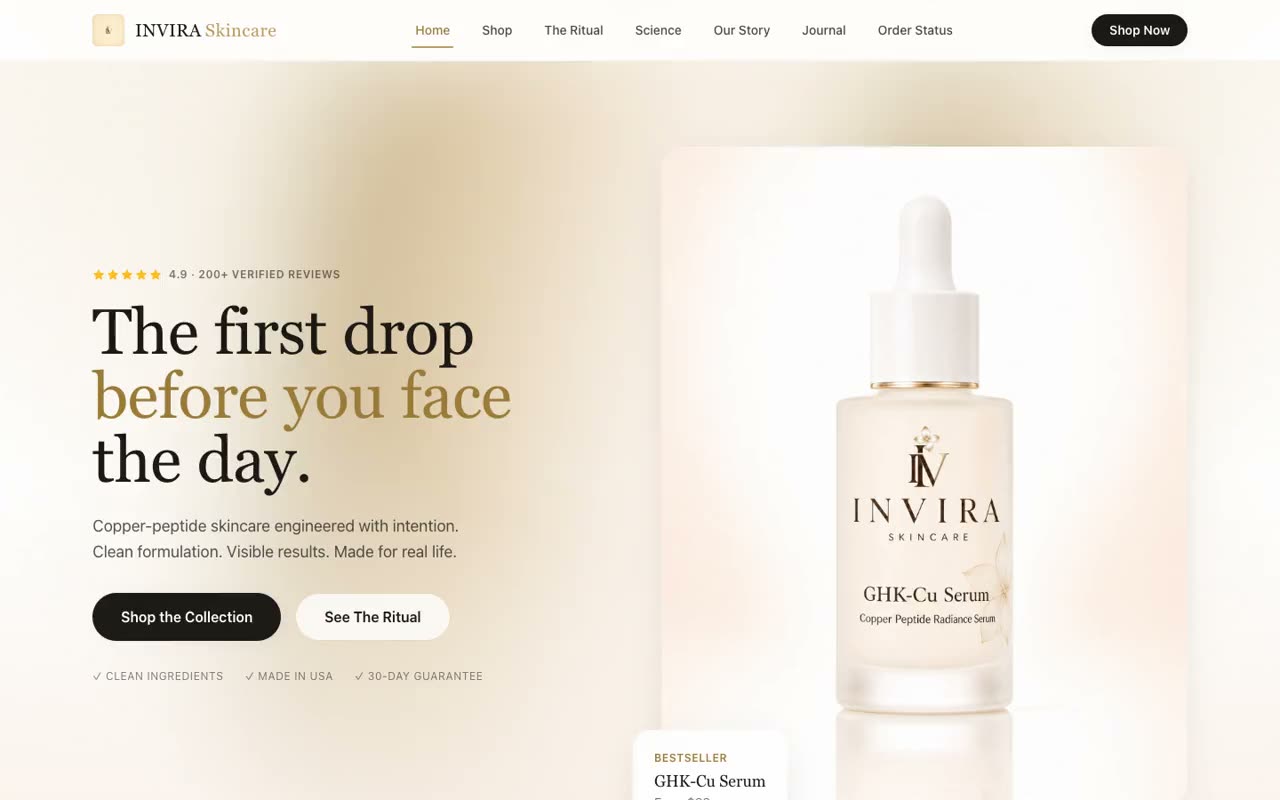
We resolve brand at the request. The hostname decides which brand a visitor is on, and that decision is made server-side before any page renders: which logo, which palette, which catalog, which certificate library, which order-number prefix. One codebase, one database, one bill.
The part that matters for correctness is that the brand is never taken from anything the browser sends in a form. It is derived from the host and passed to the order routine directly. A customer cannot land on one brand and have their order recorded against the other, because the client is never asked.
This also means the two brands are genuinely separate where it counts. The same compound can carry a different price, a different blend composition and a different certificate on each brand — because they are different products that happen to share a name, and the system treats them that way.