Is this a social media scheduler?
Scheduling is one part of it. The product also handles research grounding, topic memory, writing, visual generation, quality checks, approvals, account selection and delivery records. It can connect to an existing publishing stack when replacing that layer would add no value.
Which content formats can it create?
The current foundation supports blogs, landing-page drafts, text posts, 4:5 carousels, 1:1 single-image posts and video planning. The formats enabled for a client depend on its strategy, assets and connected publishing accounts.
Does it automatically publish everything it creates?
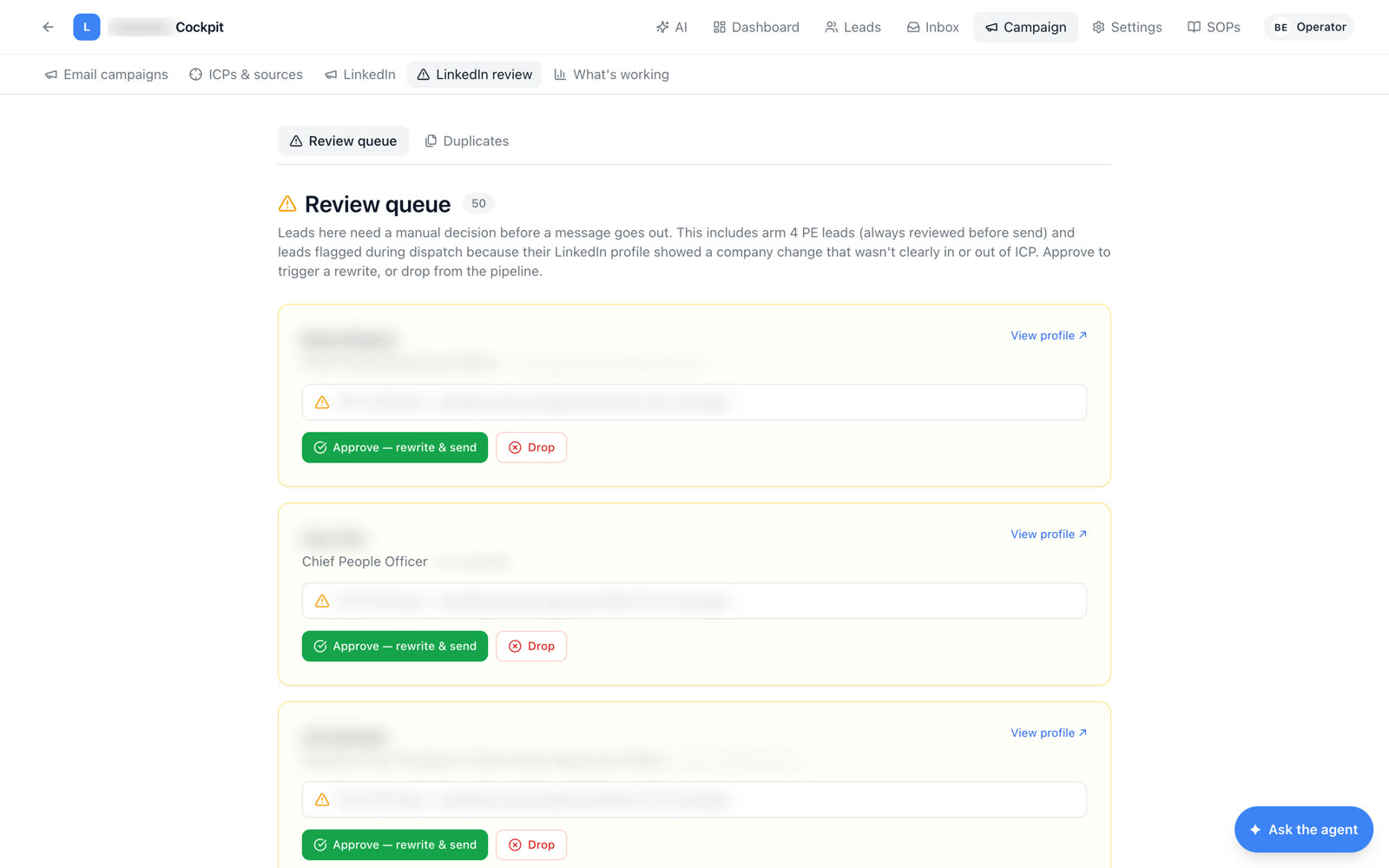
No. Drafting and permission are separate. Content enters a review state, and a person chooses the final copy, media, accounts and timing before the publish endpoint can send it.
Can it use our existing images?
Yes. An approved media library can be tagged and selected by topic, format and brand. Editors can replace a chosen asset, and the system can avoid reusing the same hero image across sibling posts.
How does it prevent made-up statistics?
Approved research and case evidence are supplied before drafting, numeric claims are checked against that grounding, and unsupported figures can fail the quality gate. Human review remains the final safeguard.
Can each platform have different copy?
Yes. The shared campaign keeps one factual core, while each connected platform can receive its own caption length, structure, call to action, hashtags and destination account.
Is this self-serve software?
No. It is a hybrid product: ParaWav starts from a working content-engine foundation, then configures the evidence rules, brand voice, visual library, channels, approvals and integrations around the company operating it.
When is a social scheduler enough instead of custom content approval software?
A scheduler may be enough when your team already produces approved assets and only needs a publishing calendar. Custom content approval and publishing software is worth evaluating when research, evidence checks, visual generation, reviewer handoffs or delivery exceptions require disconnected tools and manual coordination. Keep the existing scheduler if its supported integration meets the agreed workflow.
How should approval work when a draft or destination changes?
Define which edits require a new review before implementation. The acceptance test should check copy changes, replaced media, destination-account changes and rescheduling after approval. Confirm that the approved version and intended accounts match what is sent. These are requirements to verify for the configured workflow, not a claim that every edit is already covered by a universal approval lock.
Can we turn an approved blog into LinkedIn and other social posts?
The content workflow can produce channel-specific drafts from an approved article. Scope the source article, public URL, selected accounts and media formats together. Review each derivative for factual consistency and confirm that the blog link is publicly accessible before publishing. Available destinations depend on connected accounts and supported publishing permissions.